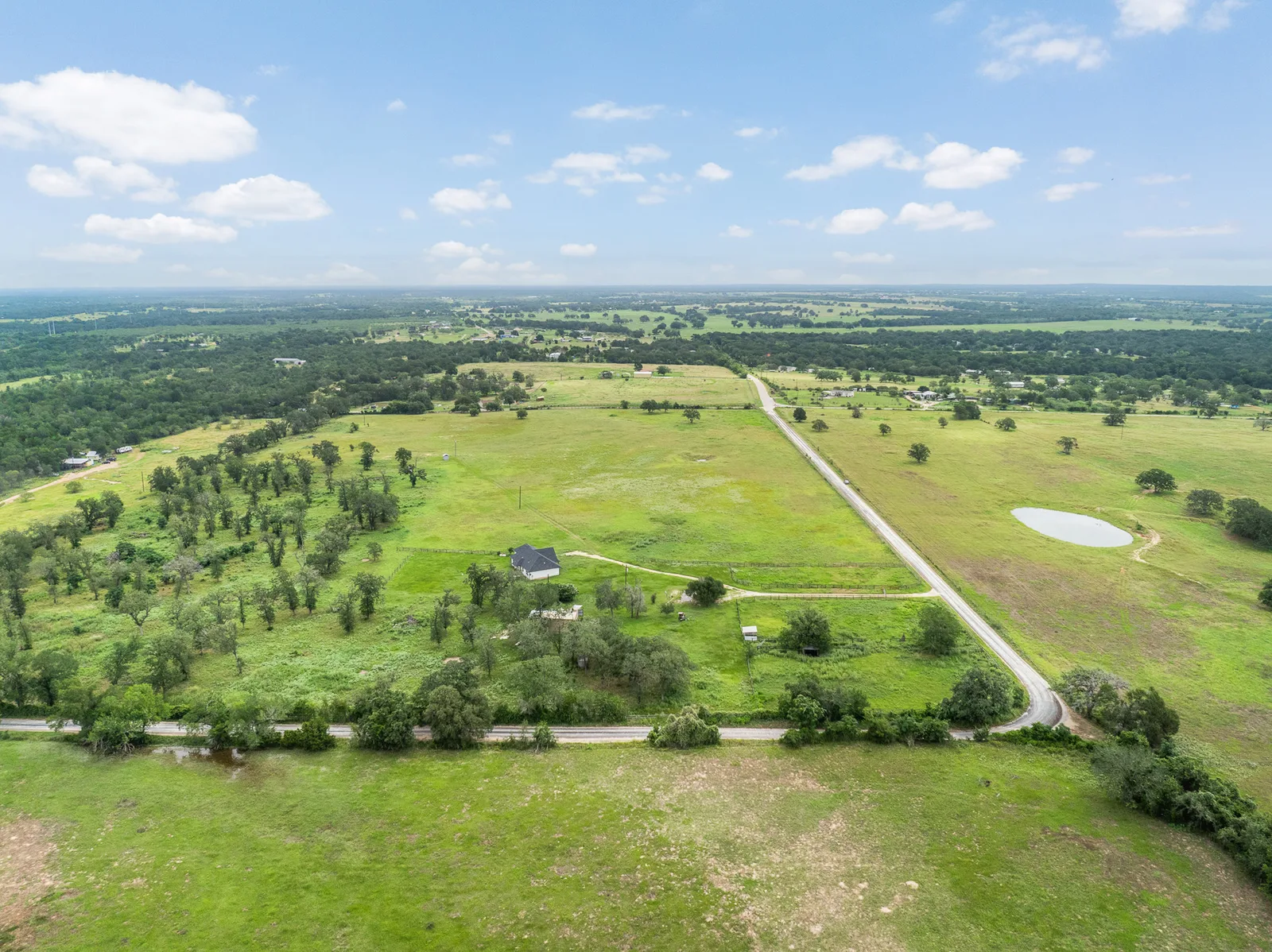
Acreage sells on the promise of land, but that promise only holds up when buyers have the specific details they need. Before you list, document water access, septic capacity, road frontage, easements, and utilities so qualified buyers can see the real potential and you avoid low offers from uncertain buyers.
Which property-specific details should sellers provide before marketing acreage?
Acreage isn't like a typical home sale. Buyers aren't just evaluating a structure; they're evaluating potential. That means uncertainty kills your sale faster than any market condition. The best way to attract serious buyers and command fair value is to answer their biggest questions before they even call. Here's what property-specific details matter most when you're selling land in Northwest Austin, the Hill Country, or beyond.
Water Access and System Details
Water is the foundation of every acreage conversation. Buyers need to know exactly what they're working with before they can imagine what they'll build or sustain. Document whether the property has a private well, municipal water access, or both. If there's a well, provide the depth, gallons-per-minute capacity, and any recent testing results. If the property connects to a public system, verify the pressure and any limitations the utility has flagged. This isn't just paperwork; it's the difference between a buyer seeing your land as livable and seeing it as risky.
For Hill Country properties around Bear Creek, Dripping Springs, and Fitzhugh, water quality and reliability are deal-makers or deal-breakers. If your well has ever required treatment or replacement, document that too. Buyers will ask a water specialist anyway, so transparency now builds confidence and prevents inspection surprises that tank offers.
Septic System Capacity and Maintenance Records
A septic system ties directly to how many homes, structures, or occupants a property can support. Before marketing, obtain a septic inspection from a licensed professional if you haven't had one in the last two to three years. Document the system type, size, and any recent pumping, repairs, or upgrades. If the system has limitations or requires regular maintenance schedules, say so upfront. Buyers planning to build often assume a septic will handle anything; they need to know the real constraints from day one.
Include any records of permits, inspections, or drainfield repairs. If the system is relatively new or has been recently serviced, that's a genuine selling point. If there's a history of issues or age-related concern, addressing it now or documenting the full picture prevents the inspection from becoming a negotiation disaster.
Lot Frontage, Access, and Easements
Road frontage shapes everything about how buyers can access and use the property. Provide the exact linear footage on each road boundary and confirm whether access is direct (from public road) or granted through an easement or shared driveway. If there's an easement for utilities, a shared water line, or access across another's land, document it clearly. Buyers need to know whether they own the road or rely on another property owner's cooperation.
Northwest Austin acreage, especially in areas like Northwest Hills and Great Hills, often involves sloped terrain and multiple access points. If your property has driveway constraints, blind curves, or seasonal drainage across the access route, explain that now. Buyers will drive it themselves, but clear documentation prevents misunderstandings and builds trust.
Deed Restrictions and Covenants
Deed restrictions can limit building size, setback requirements, or land use. Many Hill Country properties carry restrictions that govern house size, exterior materials, or how many structures can sit on the land. Before you market, pull your deed and any covenant documents from the county. Provide these to buyers upfront. Restrictions aren't always deal-killers, but discovering them during inspection is. Transparent restriction disclosure actually attracts the right buyers and weeds out those who won't be happy with the constraints.
Utilities and Infrastructure
Detail which utilities are available on or near the property: electricity, natural gas, fiber internet, or cell service. If gas or fiber aren't available, say so. If the property requires a generator, septic, and well, buyers need to build that into their budget and timeline. If utilities are limited, that affects what can be built and what it will cost. For properties in Fitzhugh, Bear Creek, and rural Dripping Springs, utility availability is often a primary constraint on development potential.
Include information about any homeowners associations, MUD districts, PID assessments, or special taxing jurisdictions. These affect property taxes and ongoing costs directly. Buyers deserve to know these obligations before they fall in love with the land.
Topography, Drainage, and Environmental Considerations
Acreage with slopes, creeks, or flood-prone areas needs clear documentation. If your property sits in a floodplain or flood-prone area, disclose it. If there's seasonal water run-off, erosion concerns, or low spots that collect water, document that too. These aren't deal-killers on their own, but buyers need to plan around them. For Hill Country properties, slope and drainage shape where homes can be built and what site work costs. Provide this information openly so buyers can budget appropriately and avoid inspection surprises.
Include any environmental or ecological restrictions, such as protected habitat areas or creek setback requirements. Hill Country properties often have environmental protections that limit where structures can sit. Knowing these up front helps buyers understand the real buildable area and prevents frustration later.
Survey Documentation and Property Boundaries
Provide a current survey or encourage buyers to order one early in their process. If property lines are disputed, unclear, or have been surveyed in the past few years, share those results. Acreage sales often hinge on exact boundary clarity, especially if neighbors are close or easements cross the property. A current survey removes ambiguity and shows you're serious about a transparent transaction.
Tax and Ownership History
Provide recent property tax records, agricultural exemption status (if applicable), and any deed history that affects ownership clarity. If the property has been in your family for decades, that story can resonate with buyers seeking land with roots. If ownership has changed hands frequently or there are title questions, address them now with a title company so there are no delays or surprises at closing.
Market Your Acreage With Confidence
Acreage buyers are planning their future, and uncertainty is their biggest fear. When you provide detailed, honest documentation before marketing, you attract serious buyers who understand what they're buying and can move decisively. That translates to fewer low-ball offers, faster closing, and a smoother transaction.
At Modus Real Estate, we work with sellers across Northwest Austin, Hill Country, and beyond who understand that acreage is a different sale. We help you document the right details, present them clearly, and reach buyers with the vision and resources to develop or improve your land. With our 1 million plus monthly social reach, your acreage gets in front of serious buyers across the entire Austin market and beyond, not just casual browsers.
If you're selling acreage in Bear Creek, Dripping Springs, Fitzhugh, Northwest Hills, Great Hills, or anywhere in our core markets, start by gathering these property-specific details. It's the foundation of a confident, successful sale.

Graham Brothers
The Graham Brothers — Austin Real Estate