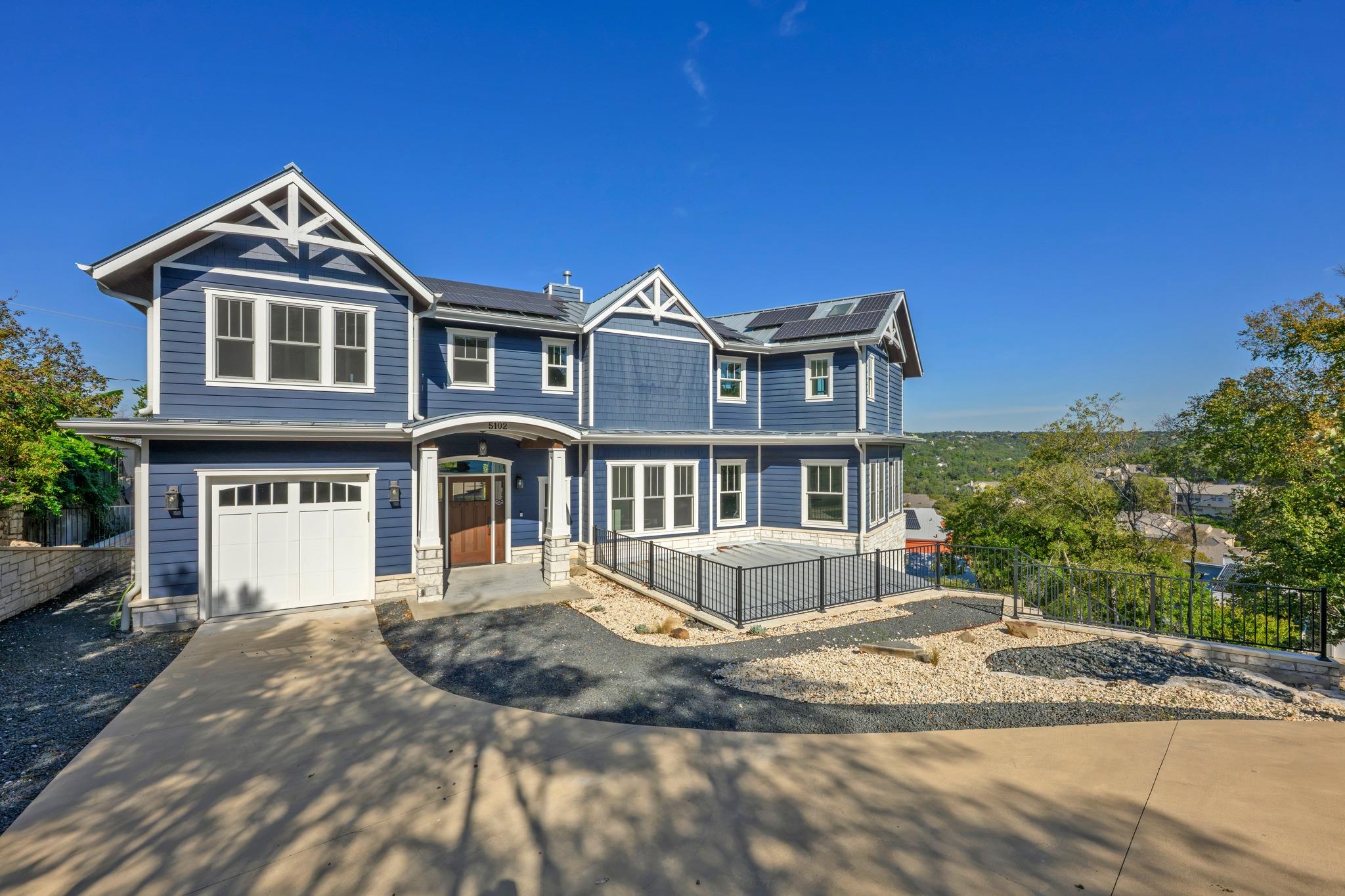
A builder's advertised mortgage payment tells only part of the story. Property taxes, insurance, HOA dues, MUD charges, and special assessments can easily add $300 to $800 per month to your actual housing cost. Here's how to verify every expense before you commit to a new home under $1 million around Liberty Hill, Georgetown, Kyle, or Buda.
Which costs are missing from a builder's advertised mortgage payment?
You see the sign on the lot: "Own for $2,495 per month." The builder's financing and price look attractive. But that monthly number is only the mortgage payment—principal, interest, taxes, and insurance combined on paper. It does not include HOA dues, MUD district taxes, PID charges, special assessments, or utility deposits that hit your wallet every month or year. For new construction under $1 million around Liberty Hill, Georgetown, Kyle, and Buda, the gap between advertised payment and actual monthly cost can easily reach $300 to $800.
The difference matters because it shapes your real budget and long-term affordability. A mortgage payment calculator shows you what you owe the lender. It does not show you what the taxing districts, homeowners association, and special assessments will demand.
Start with property-specific MUD and PID taxes
Municipal Utility District (MUD) taxes and Public Improvement Districts (PID) are not the same across all new-construction areas. A home in one Liberty Hill subdivision may sit in a different MUD or PID than a home two miles away. The tax rates vary by district and by year. Some newer districts charge higher rates to fund infrastructure; established districts may charge less.
Do not assume the builder's estimate matches your actual bill. Here is what to do:
- Ask the builder or their title company to provide the property-specific MUD and PID account numbers.
- Contact the MUD district office and PID directly. Request the current tax rate per $100 of assessed value and ask whether rates are expected to increase in the next two years.
- Request the estimated tax bill based on the appraised value of your specific home, not an average for the neighborhood.
- Ask about pending bond elections or special assessments that could raise rates after you close.
MUD taxes often run $1,500 to $3,500 per year on a $400,000 home, depending on the district and year of construction. That is $125 to $290 per month before you count city property taxes.
Verify total property tax after completion
New homes in these areas sit in multiple taxing jurisdictions: the county, school district, city (if applicable), MUD, and possibly PID. Each levies a separate tax rate.
The builder may show you an estimate based on a preliminary appraised value. That estimate often underestimates the final bill because the home's final appraised value after completion can differ from the estimate. Some builders use a lower projected value to make the payment look smaller.
Request a current property tax estimate from the county appraisal district for your specific address after the preliminary appraisal is complete. Ask the title company to run a full tax estimate that includes all districts. Do not rely on the builder's estimate alone.
Property taxes in these fast-growing areas can range from $1.50 to over $2.00 per $100 of appraised value when you combine all taxing entities. On a $500,000 home, that could mean $7,500 to $10,000 per year in total property taxes, or $625 to $833 per month. That is separate from your mortgage payment.
Confirm homeowners association dues and special assessments
Most new-construction communities around Liberty Hill, Georgetown, Kyle, and Buda include HOA dues. The builder will quote you a number, but verify that it is current and complete.
- Request the HOA budget and the current monthly or annual dues in writing.
- Ask whether the developer is still subsidizing community amenities. Once the builder's discount ends, dues often increase.
- Request a history of dues increases over the past five years.
- Ask the HOA manager whether any special assessments are planned or pending for amenity repair, road resurfacing, or common-area upgrades.
- Review the HOA reserve study to understand whether future special assessments are likely.
HOA dues in these newer communities often run $100 to $300 per month, depending on amenities. Special assessments can add hundreds or thousands more, sometimes spread over several years.
Factor in homeowners insurance
Your lender will require homeowners insurance, but the builder's estimate may not reflect your actual premium. A new home in a fast-growing area can cost more to insure than an established neighborhood home because:
- Newer construction may have higher replacement value than older homes.
- Some areas face higher wildfire or flood risk, raising premiums.
- Insurance rates change by ZIP code, construction type, and distance from fire stations.
- New homeowners often discover that discounts for bundling or safety features offset sticker price.
Request insurance quotes from at least three carriers before you close. New-construction homes in these areas typically cost $1,200 to $2,500 per year to insure, or $100 to $210 per month. Do not assume the lender's estimate covers your actual premium.
Add utilities, deposits, and maintenance reserves
Utilities (electric, gas, water, trash) are not part of the mortgage payment, but they hit your monthly budget immediately. New homes often cost $150 to $250 per month in utilities once you are living there full-time, depending on size and season. Some utility providers in these growth areas require deposits ranging from $200 to $500.
Budget separately for maintenance and repairs. Even a new home will need yard care, filter replacements, and eventually gutter cleaning or roof inspection. Factoring in $100 to $200 per month in a separate maintenance fund protects you when something needs attention.
Put it all together: the real monthly cost
Here is an illustrative breakdown for a $475,000 new home around Georgetown or Kyle. These are examples only, not current averages or guarantees. Your actual costs will be property and district specific:
- Mortgage payment (P&I): $2,300
- Property taxes (city, county, school, MUD, PID): $750
- Homeowners insurance: $150
- HOA dues: $175
- Utilities: $175
- Maintenance reserve: $150
- Total monthly housing cost: $3,700
The builder advertised $2,450 (mortgage only). The real monthly commitment is $3,700. That $1,250 difference changes everything about affordability and budget planning.
How to verify costs before you sign
Do not rely on the builder's estimate or a generic online calculator. Get property-specific information in writing:
- Request the MUD and PID account numbers and current tax rates from the builder's title company.
- Contact each taxing district directly and ask for an estimate based on your specific property address.
- Get a copy of the HOA budget, current dues, and reserve study from the community manager or builder.
- Request insurance quotes from multiple carriers for your exact address and home specifications.
- Ask your lender to run a full Loan Estimate that includes all tax districts and insurance estimates.
- Work with a local real estate advisor who can help you decode district-specific charges and flag potential future increases.
Builder incentives, rate buydowns, and closing-cost credits often mask the true monthly cost. Verify total ownership expense before you decide that the deal makes sense for your budget. A lower mortgage payment does not matter if property taxes, insurance, and HOA dues consume an extra $500 per month.
The homes around Liberty Hill, Georgetown, Kyle, and Buda offer real value and newer construction benefits. But the advertised mortgage payment is only the beginning. Do the work upfront to understand every expense, and you will close with confidence and no surprises.

Graham Brothers
The Graham Brothers — Austin Real Estate