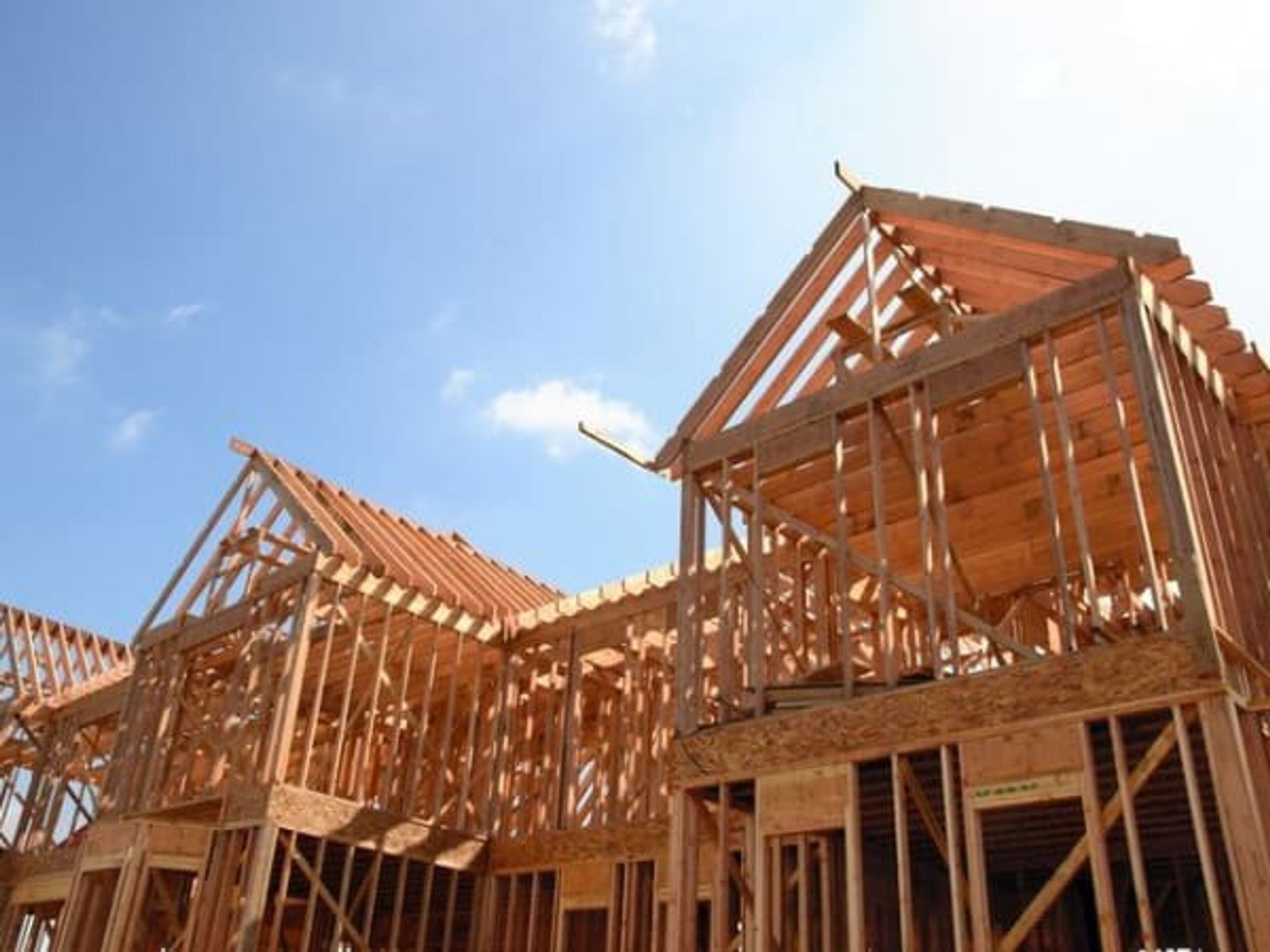
Model homes showcase the best versions of everything, but what's actually included in your base price versus what costs extra can surprise you at contract time. Here's how to get clarity on every feature before you commit to a new construction home under $1 million around Liberty Hill, Georgetown, Kyle, or Buda.
How can buyers distinguish base-price features from paid upgrades in a model home?
Walking through a model home in Liberty Hill, Georgetown, Kyle, or Buda feels exciting. Everything looks polished, finished, and ready to move into. But here's the reality: most of what you see is not included in the base price. Flooring, countertops, appliances, lighting fixtures, paint colors, and exterior options often cost thousands more. Knowing what's actually in your base price versus what will be billed separately is the difference between a confident purchase and sticker shock at contract time.
The model home is a sales tool, not a preview of your actual house unless you pay for every single upgrade shown. Builders design models to appeal broadly, which means they typically include mid-range to higher-end finishes that look great but drive prices up fast. Your job as a buyer is to separate fantasy from reality by asking direct questions and comparing written documentation across different builders and homes.
Get the base price and upgrade price list in writing
Before you spend time in a model home, ask the builder's sales team for a written specification sheet and upgrade price list for the actual home you are considering purchasing. The base price should list exactly what comes standard: basic appliances, builder-selected paint colors, standard flooring, basic lighting, and any included exterior options. Everything else should be listed with its cost. Do not rely on verbal promises or "typical" packages. Ask for the document in writing and take it home to review.
Bring this document with you each time you tour the model so you can mark what you see and confirm whether each item is included or priced separately. If the sales team says "that's usually included," ask them to show you in writing. If it is not on the upgrade list, it may not be guaranteed to be in your home.
Understand lot premiums separately from home-price upgrades
Lot premiums are distinct from home upgrades. A builder might advertise a home starting at a certain price, but that price assumes a standard lot in a standard location within the community. Corner lots, premium views, cul-de-sac positions, or lots backing to green space typically cost extra. These lot premiums are negotiable in some cases, especially on quick-move-in homes. Ask your buyer's agent to compare lot premiums across available inventory and to understand which lots are truly premium and which are standard. Document any lot premium waiver or adjustment in writing as part of your contract.
Request a detailed upgrade-cost breakdown before signing
Once you have selected a floor plan and lot, ask the builder to provide an itemized cost breakdown of every upgrade you have chosen. This list should show the base price, each upgrade selected, the cost of each upgrade, and the total purchase price. Review this line by line with your buyer's agent. Some builders group upgrades into packages; if so, ask for the cost of each item within the package so you understand what you are paying for. If a package includes items you do not want, ask whether you can purchase only the upgrades you need. Packages are sometimes negotiable, especially on homes that are ready or near-ready to close.
Verify what comes standard and what does not
Standard items often surprise buyers. For example, many builders include basic appliances but not premium brands; standard flooring but not upgraded tile or wood; and basic kitchen cabinet hardware but not custom pulls or knobs. Exterior features like landscaping, sprinkler systems, gutters, or upgraded entry doors may be optional add-ons. Garage flooring, storage shelving, or ceiling height upgrades frequently cost extra. Ask the builder to walk you through the actual home being built, not just the model, so you can see what standard looks like in that specific floor plan.
Compare completion timing and incentive offers across homes
Quick-move-in homes or homes nearing completion sometimes carry different incentive structures than homes that are further out in the building timeline. A home ready in 30 days might qualify for different builder concessions than one framed but not yet started. Ask your agent to compare completion dates, builder-offered closing-cost credits, rate buydowns, lot-premium waivers, or upgrade allowances across available inventory in the same community. These vary by builder, lot, and timing. Put each offer in writing and have your agent help you evaluate the total value of each option, not just the headline price.
Understand warranty terms and what they cover
Builder warranties protect your new home investment, but coverage varies. A typical one-year warranty covers construction defects and system failures; a two-year warranty often covers certain mechanical systems; and a ten-year structural warranty covers major structural issues. Before you sign a contract, ask for the builder's warranty terms in writing. Understand what is covered, what is excluded, and how claims are processed. Some warranties have deductibles or cost-sharing terms that you need to know upfront. Do not assume all builders offer the same coverage. Compare warranty documents across different builders if you are considering homes in multiple communities.
Have an independent inspection done before closing
Many buyers of new construction skip the inspection because the home is brand new. Do not make this mistake. Hire a licensed home inspector to perform a thorough walk-through before you close, ideally during the final stages of construction when trades are completing their work. An independent inspector can spot incomplete work, construction defects, missing items, and builder shortcuts that you might miss. Document any issues in writing and request written confirmation from the builder that repairs will be completed before closing or that credits will be applied to cover the cost. Put all requests and agreements in writing as an addendum to your contract.
Test financing contingencies and actual monthly costs
A builder's advertised mortgage payment often excludes critical costs that will be part of your actual monthly bill. Property taxes, homeowners insurance, HOA dues, MUD and PID taxes, and any special assessments can easily add hundreds of dollars per month. Before you commit to a purchase price, verify every cost component with a qualified lender. Run the actual numbers with your own financing source as well as any builder-affiliated lender so you can compare total monthly costs and long-term interest expense. Have your buyer's agent help you model out the full cost of ownership before you sign. Builder financing often carries a higher interest rate or APR than independent lenders offer, even if the initial incentive looks attractive. Compare in writing.
Get all agreements in writing
Verbal promises do not hold up in a real estate transaction. If a builder representative says they will waive a lot premium, include upgraded appliances, pay closing costs, or extend the warranty, ask for it in writing as part of your contract addendum. If a sales team member says "most buyers include this upgrade," do not assume it is in your base price. If a builder agrees to a price reduction or concession, put the exact amount and the condition for the reduction in your written contract. Terms are only binding when both parties have agreed and signed. Your buyer's agent should review all written agreements before you sign the main contract.
Use your agent's market knowledge to negotiate
An experienced buyer's agent in Liberty Hill, Georgetown, Kyle, and Buda understands which builders typically include certain features, which upgrades carry reasonable pricing, and where builders have flexibility to negotiate. Your agent can compare upgrade costs across multiple builders and communities, spot overpriced options, and identify where the builder has room to move on price or terms. With our 1M+ monthly social reach across Austin's real estate market, we stay connected to current builder activity, inventory levels, and market conditions in these communities. That intelligence helps us guide you toward fair deals and credible value. Have your agent do a comparable analysis of similar homes with similar upgrades in the same community and nearby areas so you can see whether the upgrade pricing is competitive.
Walk the property during construction if possible
Ask the builder whether you can visit the actual home being built for you during key construction phases. This gives you a real sense of construction quality, finish details, and whether the home being built matches the specifications you agreed to. Take photos or video during each visit so you have a record of progress. Note any incomplete work, damaged materials, or items that differ from your contract. Bring these observations to the builder's attention in writing so there is a documented record. Construction sites are often open during limited hours, so plan ahead and ask the sales team for access before you show up.
Know what you are signing before you sign it
A builder's contract is long, detailed, and filled with terms that protect the builder's interests. Before you sign, have your buyer's agent and an attorney review the contract together. Understand your contingencies for financing, inspection, and appraisal; your remedies if construction is delayed; your options if the builder discovers site issues that affect the build; and what happens if the builder cannot perform. Understand any cost escalation clauses that might allow the builder to increase the price if material costs rise during construction. Ask questions about anything you do not understand. A few hours spent reviewing the contract now can save thousands and heartache later.
Buying new construction is different from buying an existing home, but the fundamentals remain the same: get everything in writing, verify every claim, compare options across multiple properties, and use professional advisors to protect your interests. A model home is a dream; your actual home is a contract. Make sure the contract reflects the home you believe you are buying.

Graham Brothers
The Graham Brothers — Austin Real Estate