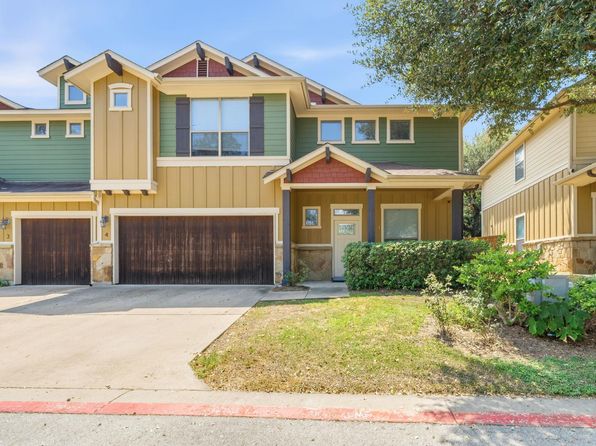
78745 offers both authentic older ranches and thoughtfully remodeled homes side by side. Learn what to inspect, how to value the work that's been done, and which path makes sense for your budget, timeline, and vision.
How can buyers compare an existing ranch home with a remodeled home in 78745?
South Austin's 78745 ZIP code sits on some of the most tree-lined, character-rich ground in the city. Mature live oaks frame established neighborhoods like Westgate, Garrison Park, and Cherry Creek. You'll find plenty of original ranch homes and bungalows built decades ago, many still in their authentic form. You'll also find homes that have been thoughtfully remodeled, sometimes extensively.
If you're buying in 78745, you're likely weighing both options. An original ranch home might cost less upfront but require work. A remodeled home might feel move-in ready but carry a premium. The real decision isn't which style looks better; it's understanding what's actually been done, what it cost, and what your true total investment will be. Let's break that down.
Start with a clear inspection of both home types
An original ranch home in 78745 typically has good bones. These aren't fragile or dangerous by default. But you need to know what's underneath. Hire a professional home inspector to look at the foundation, roof age, HVAC system, plumbing, and electrical panel. In South Austin's older homes, sewer lines are worth extra attention; tree roots from those mature oaks can sometimes cause problems down the road.
The inspection report is your benchmark. Don't just skim it. Ask the inspector to walk you through the findings, prioritize what matters most, and estimate rough costs for major repairs. A roof that's 15 years old might be good for another 5 years or due soon; there's a big difference in your timeline and budget.
For a remodeled home, the inspection is equally critical, not less. Remodels can hide issues behind new finishes. Ask the inspector to look beyond the kitchen and bathrooms. Check the roof (a remodel doesn't replace it unless the original needed it). Verify that additions are properly permitted and built to code. Look at water pressure, drainage, and any cracks in older foundation walls. A fresh coat of paint and new counters shouldn't mask structural or mechanical problems.
Request and verify remodel documentation
When you're considering a remodeled home, ask the seller for records of the work that was done. This should include permits, contractor invoices, receipts for materials, and warranty documentation on major systems like HVAC or water heaters. A well-executed remodel comes with a paper trail.
Permits matter more than you might think. In Travis County and the City of Austin, most significant work requires permits: foundation repair, electrical upgrades, plumbing changes, roof replacement, structural modifications, and room additions. Unpermitted work can create problems when you sell, complicate insurance claims, or require costly remediation before a lender will finance the home.
If the seller can't produce permits for major work, ask a real estate attorney or title company to check the county records directly. Sometimes permits were filed but records have been archived. Other times, work was done without a permit, and you need to decide whether the cost of bringing it up to code is worth absorbing.
Understand what the remodel actually includes
Remodels vary enormously in scope and quality. A cosmetic refresh might include new paint, flooring, kitchen cabinets, and updated bathroom fixtures. A comprehensive remodel might include structural repairs, new electrical service, plumbing upgrades, roof replacement, HVAC replacement, and energy-efficient windows.
Ask the seller or their agent exactly which systems were touched and which were left alone. A home with a fresh kitchen and bathroom but original HVAC and roof is a different investment than one that's had comprehensive work. Energy efficiency, functionality, and future maintenance needs all hinge on this distinction.
Also ask whether any work was DIY or performed by professionals. Professional work typically comes with better craftsmanship, proper permits, and recourse if something fails. DIY work might be thoughtful and well-executed, but it's harder to verify and often lacks documentation.
Calculate the true cost of an original home
Here's where many buyers stumble. An original ranch home in 78745 might feel like a bargain because the purchase price is lower. But if the roof is 20 years old, the HVAC is original, the plumbing has issues, and you want to update the kitchen and bathrooms, those costs add up fast.
Get contractor estimates for any major work the inspection flagged. Talk to a plumber about the sewer line condition and potential costs if roots are an issue. Call a roofer and ask when the roof will likely need replacement and what that costs in your area. Get quotes on HVAC replacement, electrical panel upgrade, or foundation repair if the inspection suggested it.
Add those estimates to the purchase price. That's your realistic all-in cost before you even move in. Some buyers are comfortable with that; others realize the true cost puts them over budget or timeline.
Compare the remodeled home's cost and residual risk
A remodeled home's purchase price reflects the work that's been done. But ask yourself: what wasn't remodeled, and why? If the roof is still original and the home was remodeled five years ago, that roof might need attention within the next few years. If the electrical panel is original and the home is from the 1950s, it might not support modern electrical demand or pass a future inspection without upgrades.
Get the same contractor estimates for any major systems that weren't touched during the remodel. Compare that residual cost to the original home's total estimated repairs. The remodeled home might come with higher purchase price but lower total risk and cost. Or it might have simply deferred the same expensive repairs into your ownership.
Also ask about the quality and warranty of the remodel work. Did the contractor warrant the work for a set period? Are there any outstanding issues or callbacks? A well-warrantied remodel from a reputable contractor gives you more recourse if something fails shortly after closing.
Consider your timeline and tolerance for uncertainty
An original home requires decisions and work. You might close and then spend months coordinating contractors, managing timelines, and living with dust and disruption. Or you might close and prioritize only the critical repairs, deferring cosmetic updates and system upgrades for years.
A remodeled home typically lets you move in and enjoy the space without immediate major work. That's real value if you're starting a family, managing a demanding job, or moving to Austin for the first time. You trade a lower purchase price for a higher one, but you gain time and certainty.
Some buyers love the challenge of a fixer-upper; others want to move in and focus on life, not construction. Both are valid. Know which you are before you make an offer.
Look at block-specific appreciation and market conditions
78745 is a desirable neighborhood, but value can vary block to block. Homes closer to Westgate Park or with better tree canopy or access to local businesses sometimes appreciate differently than those deeper in the neighborhood. Ask your agent for comparable sales on your specific block and nearby streets, looking at both original and remodeled homes.
This helps you understand whether a remodeled home's premium is justified by market demand in that exact pocket. In some blocks, buyers actively seek remodeled homes and pay a premium. In others, original character homes hold value beautifully and don't require full renovation.
Get pre-approval and run the real numbers
Before you compare homes, get pre-approved for a mortgage and know your actual budget. That budget includes the purchase price, any repairs or remodels you plan to fund out of pocket, property taxes, homeowner's insurance, HOA dues if applicable, and ongoing maintenance reserves.
If you're financing repairs through a renovation loan or HELOC after closing, factor in those interest costs and monthly payments. If you're paying cash for repairs out of pocket, make sure you still have an emergency fund and won't be house-poor.
The most affordable home on paper isn't the best deal if the true all-in cost stretches your finances or leaves no room for unexpected expenses.
Work with an agent who knows 78745 block by block
South Austin neighborhoods reward local expertise. An agent who works in 78745 regularly can show you what comparable original homes have sold for, what remodeled homes in the same blocks have gone for, and what buyers in this specific pocket actually value. They can also alert you to block-specific conditions that inspections might miss: drainage patterns, tree health, neighborhood changes, or local business vitality.
With our reach across 1 million+ monthly eyes in the Austin market, we also connect sellers with serious buyers who understand what they're buying, whether original or remodeled. That benefits you as a buyer; it means homes are priced realistically and marketed to informed audiences, not just wishful thinking.
The bottom line
Comparing an original ranch home with a remodeled home in 78745 comes down to three things: what's actually been done in the remodeled home and whether it's permitted, what major work the original home will realistically need and at what cost, and whether your timeline, budget, and tolerance for uncertainty favor move-in ready or sweat equity.
Get a thorough inspection on both, request documentation from the remodeled home's work, estimate true total costs for the original, and talk to contractors and lenders about what's realistic. Then make the decision that fits your life, not just the purchase price.
78745 has room for both types of buyers. The key is knowing which one you're choosing and why.

Graham Brothers
The Graham Brothers — Austin Real Estate