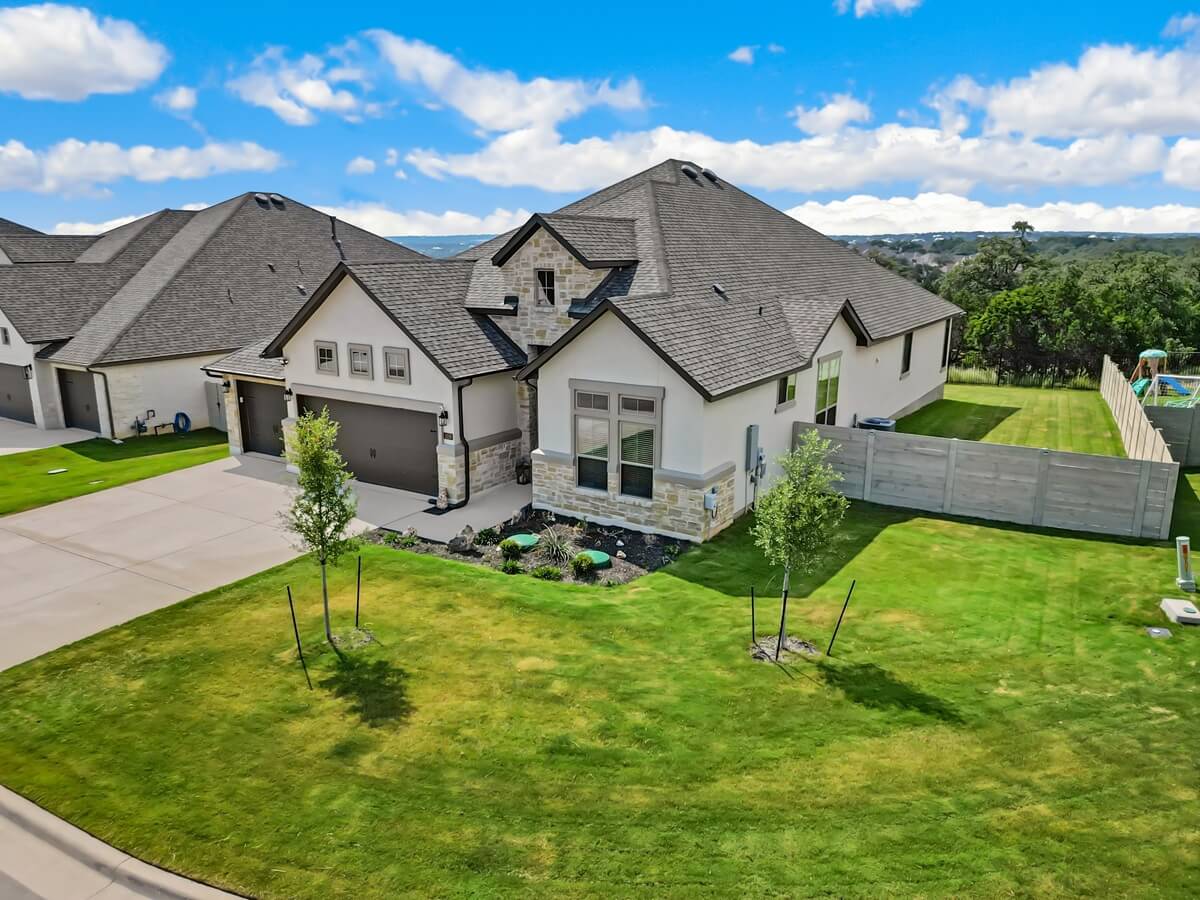
Older homes in South Austin have real character and value, but they come with specific maintenance realities. Here's what savvy buyers should know about foundations, roofs, HVAC, drainage, and permitting before making an offer.
Buying an Older Home in South Austin: What to Look For in 78745 and 78704
South Austin's 78745 and 78704 ZIP codes are home to some of the city's most desirable and established neighborhoods. Tree-lined streets, solid bones, and character charm draw buyers here every day. But older homes come with a different set of questions than new construction. If you're thinking about buying in Bouldin Creek, South Manchaca, Cherry Creek, Garrison Park, or Westgate, you need to know what to look for and what questions to ask before you commit.
The good news: older homes can be incredible investments. The reality: skipping a thorough evaluation can lead to expensive surprises. We've seen it happen too many times. Let's walk through the big-picture items that matter most.
Start with the Foundation
The foundation is the first thing a qualified home inspector will evaluate, and it should be one of your priorities too. Austin soil is notoriously expansive, especially clay-heavy soil common in South Austin. This means foundations can shift, crack, or settle over decades. Minor hairline cracks are usually cosmetic. Stair-step cracks in brick, sloping floors, or doors that no longer close properly are red flags worth investigating further.
Ask your inspector for specific observations about foundation movement. If there are concerns, get a structural engineer's opinion before you make an offer. The cost of a $400 engineering report is nothing compared to the cost of foundation repair, which can run $5,000 to $25,000 or more.
Drainage and Water Management
South Austin properties often sit on sloped terrain. That's part of what makes them beautiful, but it also means water management matters. Check grading around the home. Does water drain away from the foundation, or does it pool near the house? Are gutters and downspouts present and functional? A home without proper drainage is a home where water will find its way inside eventually.
During a walk-through after rain, pay attention to any water stains in basements, crawl spaces, or lower-level rooms. Ask the seller's agent directly: has this home ever flooded or had water issues? Get it in writing. Proper drainage is cheaper to install than foundation repairs caused by water damage.
Roof Condition and Age
Composition shingle roofs in Austin typically last 15 to 20 years. Metal and tile roofs can go 30 to 50 years. Ask the seller how old the current roof is. If it's approaching the end of its life, factor replacement cost into your offer and renovation budget. A new roof in South Austin runs $8,000 to $15,000 for a typical home.
Have your inspector walk the roof if possible and look for missing shingles, curling, buckling, or visible wear. These aren't always deal-killers; they're just important to understand and price accordingly.
HVAC Systems and Efficiency
Many older South Austin homes have aging air conditioning and heating systems. A 20-year-old AC unit is living on borrowed time. Replacement runs $4,000 to $8,000 depending on the home's size and ductwork condition. Energy efficiency also matters in Texas summers; a newer, properly sized system pays dividends on utility bills.
Ask when the system was last serviced, whether refrigerant leaks have been an issue, and whether the ductwork has been inspected. Some older homes have ductwork deterioration that reduces efficiency. Understanding these details helps you budget realistically.
Sewer Lines and Plumbing
Sewer lines in homes built before the 1980s may have clay or cast iron pipes. Clay pipes can deteriorate or become invaded by tree roots. Cast iron can rust from the inside out. If the home has a history of slow drains, backups, or septic issues, a camera inspection of the sewer line is worth the $400 to $600 investment. It's far better to know about a problem before closing than to face a $10,000 sewer line replacement six months after purchase.
Large Trees and Root Systems
South Austin properties are gorgeous partly because of mature trees. But large trees come with responsibility. Trees can damage foundations, sewer lines, roofs, and driveways if roots are invasive or branches overhang structures. Assess tree health during your walk-through. Are there dead limbs? Is the tree leaning or showing signs of disease?
If a large tree is near the home, ask an arborist for an evaluation. Professional tree care and maintenance is an ongoing cost of owning an older South Austin home with mature landscaping. Budget for it.
Additions, Permits, and Building History
Many older homes have been expanded over the decades. A bedroom addition, new bathroom, or sunroom can add tremendous value, but only if it was permitted and inspected properly. Unpermitted work can complicate future sales, refinances, and insurance claims. Always ask the seller whether major work was permitted. Request copies of permits from the City of Austin if they claim it was done properly.
If you discover unpermitted additions, discuss this with your inspector and real estate agent. Sometimes permits can be obtained retroactively; sometimes the work needs to be brought into compliance. Understanding your exposure before offer time is essential.
Energy Efficiency Upgrades
Older homes often have single-pane windows, poor insulation, and inefficient appliances. These don't have to be deal-breakers, but they're budget items. Prioritize: air sealing and attic insulation usually offer the best return on investment. Window replacement is expensive but improves comfort and efficiency significantly over time.
Many South Austin buyers fall in love with an older home's character and then invest strategically in efficiency. That's a solid approach as long as you budget realistically.
Renovation Planning and Realistic Budgeting
Here's what we tell every buyer walking into an older South Austin home: get a detailed inspector's report and use it to set a real renovation budget. Don't guess. Talk to a contractor or two about what deferred maintenance and upgrades might actually cost. A good inspector gives you 20 or 30 items; prioritize the structural and safety issues first, then plan cosmetic upgrades over time.
Older homes aren't worse than new homes; they're just different. They have history, charm, and established neighborhoods. They also require attention and honest assessment.
Work with Local Professionals
Use a qualified home inspector who knows South Austin soil, drainage patterns, and building practices. Get referrals from your real estate agent. Ask your inspector direct questions. Get second opinions on anything that worries you. A structural engineer, arborist, or plumbing specialist costs money upfront but saves thousands in surprises later.
If you're serious about a South Austin property, we're here to help you navigate it. Our team knows these neighborhoods, the homes, and the professionals who keep them running strong. Reach out if you'd like to talk through what you've found or if you're ready to search.

Graham Brothers
The Graham Brothers — Austin Real Estate